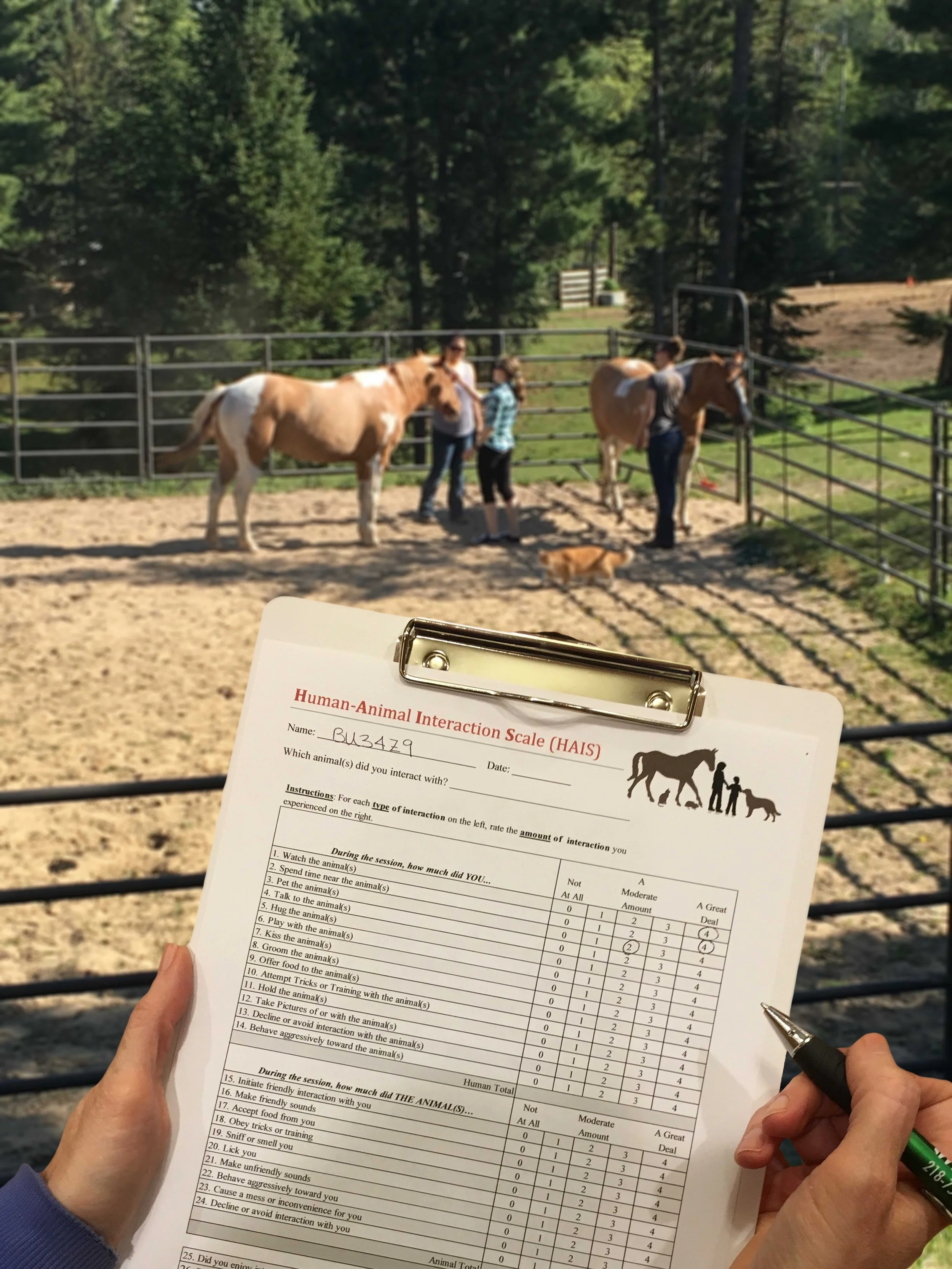
We believe in the power of story and science in animal-assisted services.
What Sets Us Apart
Story-Informed Practice
We start with stories and use them as the foundation for asking better questions and gathering meaningful data.
Measuring the Moments
Through observation and measurement, we turn meaningful moments into data—strengthening practices and the evidence base for animal-assisted services.
Simple, Flexible, Practical
The SAGA Process is designed to be simple, flexible, and practical. We focus on tools practitioners can use to learn from their work, improve their programs, and communicate their impact.
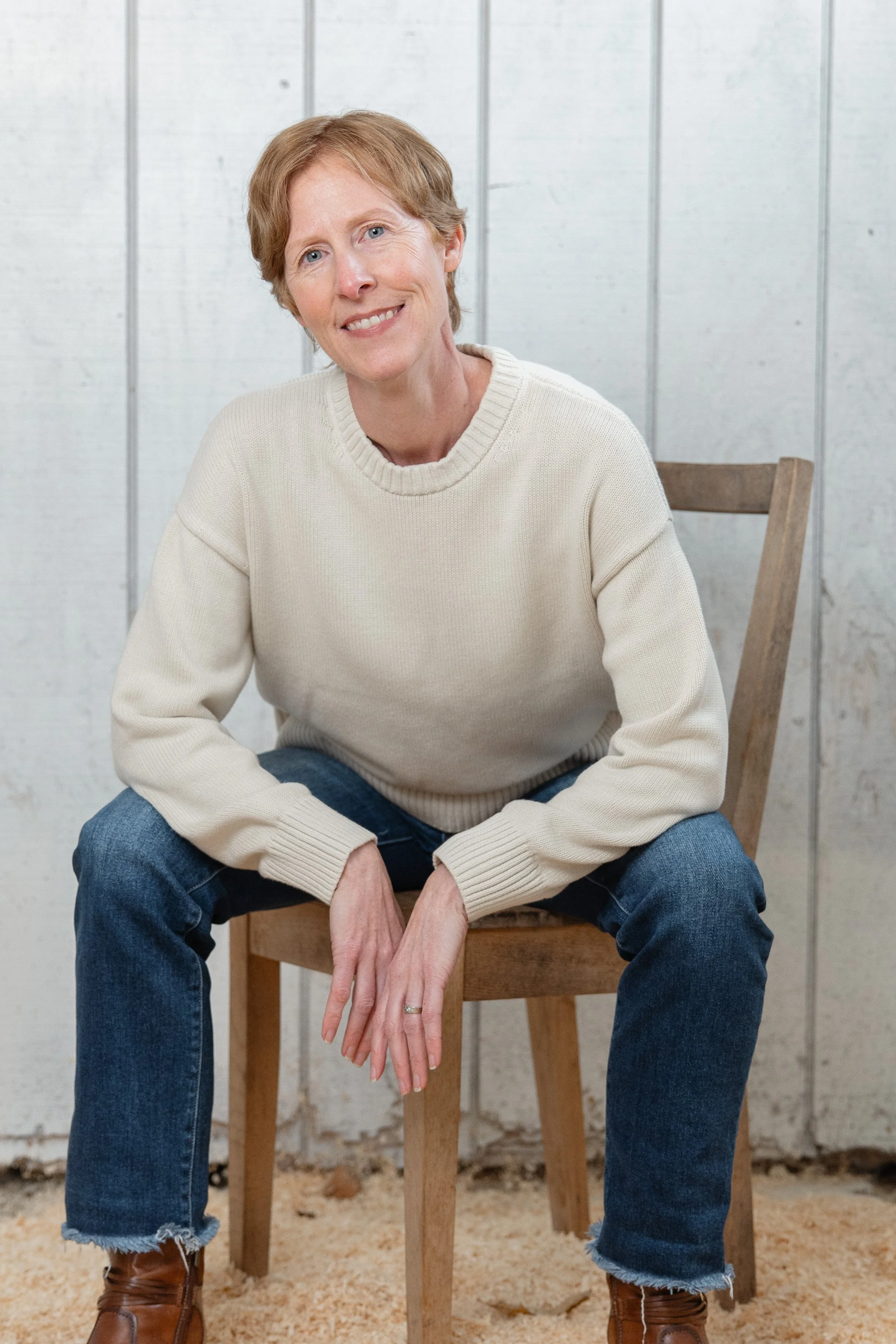
Meet Angela
Dr. Angela Fournier is a licensed psychologist and professor of psychology at Bemidji State University, where she directs the Humanimal Interaction Laboratory. For more than two decades she has studied how people and animals interact, with a focus on measuring and understanding animal-assisted services.
Angela is also an equine-assisted practitioner and has collaborated for many years with Eagle Vista Ranch & Wellness Center to provide services, teach students, and conduct research in real-world programs. Her work bridges science and practice, helping practitioners gather meaningful data about what happens in their sessions so they can improve their programs and communicate their impact with confidence.
She believes the powerful stories practitioners witness every day are the starting point for discovery—and that combining those stories with thoughtful data collection can strengthen both practice and science.
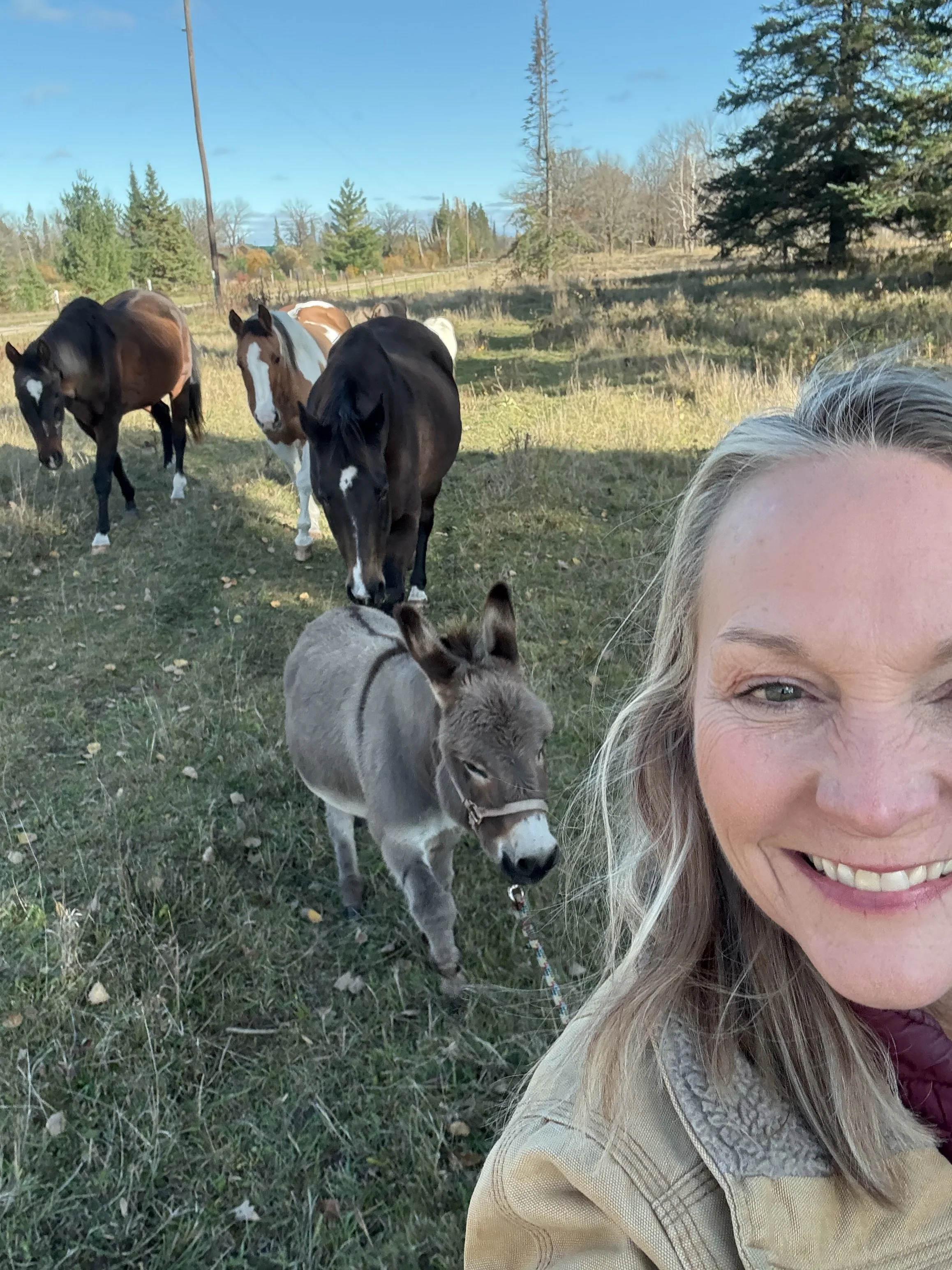
Meet Liz
Liz Letson, MS, LPCC, is a licensed professional clinical counselor, equine-assisted practitioner, and founder of Eagle Vista Ranch & Wellness Center. A lifelong horse caretaker and trainer, she has spent the last 17 years working directly with clients and horses in equine-assisted services, helping individuals and groups experience the learning and growth that can emerge through interactions with animals. Liz also serves as an adjunct instructor at Bemidji State University.
Through her work with clients, students, and volunteers, she has seen firsthand the meaningful moments that occur in animal-assisted sessions.
Liz brings a practitioner’s perspective to the SAGA Process, helping translate scientific ideas into practical tools that professionals can use in real programs and everyday practice.